Different ways for different lives
In Birak, first summer on Wadandi Boodja (2025)
Joanna Moore
11/25/20258 min read
I’ve changed. I’ve changed from using the term ‘overwhelmed’ to describe how I’m feeling, to ‘overloaded’.
For me, ‘overwhelmed’ carries with it a mild feeling of judgement – a subtle implication of personal failing or not-good-enoughness behind my not being able to manage all my responsibilities without a few cracks showing. Maybe that’s just me? I’d love to know if you feel this undercurrent of meaning too.
‘Overloaded’, however, just means there’s too much on my plate and it’s not my fault it’s challenging.
And it’s not just me. In the last three days, I’ve had three conversations with people who are overloaded. Not the passing ‘How’re you?” “Too busy!” “Tell me about it!” interactions, but the “I think I’m breaking.” “My body is screaming at me to stop.” “How do I find my way out of this?” conversations.
Maybe it’s a combination of end-of-year commitments for children (think parent meetings, graduations, ballet rehearsals, sporting events), extra driving, extra social commitments, end-of-year work deadlines, preparing for bushfire season, managing a household, unwell parents, family members with poor mental health, kids with unexpected health challenges, building a house, relationship issues, financial stress. Everyone has their own combination of stressors. And we don’t need to get into that unhelpful comparison thing, either: ‘my stress is worse than your stress’. And being overloaded also doesn’t mean we don’t value many of these things we’re doing. There’s just too many of them. “I’ve got too many tabs open,” as one friend put it.
People with time to read the astrological charts would probably tell me there’s something going on in that realm that’s heightening this intensity for humans, and it’s probably true. And of course, world events aren’t exactly soothing right now.
But I also want to stop saying to friends and clients ‘look after yourself’, at least without acknowledging how hard that is. When I was in the intense raising-a-baby-and-a-toddler phase, it was one of the things that most triggered my anger – people telling me to slow down and take care of myself. “Don’t tell me that, take some of the workload, you nincompoop!” I’d feel like yelling.
How can mothers look after themselves with the pressures they’re under? And why is it their job, among all their other jobs? This used to be the responsibility of whole communities, not individuals.
I want to reassure mothers that it’s not their fault it’s hard to slow down, to reduce commitments and obligations, to work less, to not take on more. To be grounded and present, to ‘live in the moment’.
Our society isn’t structured to support mothers, or any people really, to slow down and do less. It’s a radical act, and both a logistical and philosophical challenge to do so.
That said, who suffers if you don’t ‘take care of yourself’? You do. And, of course, your family. Having you strong and grounded brings strength and grounding to your children, and your partner if you have one, and even your friends and colleagues and the wider circles of people with whom you interact.
And while there are lots of wonderful tools, resources and wisdoms out there, how you bring yourself back into balance is something only you can work out. Different ways for different lives.
≈
In her book Atlas of the Heart, Brené Brown explores the difference between stress and overwhelm. Here are the definitions she gives:
Stress ‘We feel stressed when we evaluate environmental demand as beyond our ability to cope successfully. This includes elements of unpredictability, uncontrollability, and feeling overloaded.’
Overwhelm ‘Overwhelmed means an extreme level of stress, an emotional and/or cognitive intensity to the point of feeling unable to function.’ (p.5-6)
Most importantly (and drawing on the work of Jon Kabat-Zinn and Carol Gohm), she discusses how the cure for overwhelm is non-doing – Kabat-Zinn calls it ‘no agenda’ or ‘mindful play’. Apparently, overwhelm has us in a situation like this ‘On a scale of 1 to 10, I’m feeling my emotions at about 10, I’m paying attention to them at about 5, and I understand them at about 2. This is not a set-up for successful decision making. (p.7)’


The only way back from this is to engage in non-doing, even if just for a short period. Brown gives an example of a triple-shift waitressing in an extremely busy hospitality setting. If exhaustion, overwork and extreme stress pushed you into overwhelm, or ‘being blown’, no decision making was expected for a short period. You were sent to the cool room or bathroom (to cry) with a complete takeover of your responsibilities for 10 minutes.
This reminds me of Chilli Heeler, the main character’s mum on the popular ABC children’s show Bluey, when she says “I need 20 minutes where no-one comes near me."
This also reminds me of how hippies sometimes use annoying phrases like ‘access your inner wisdom’. But perhaps this might be the hippie way of saying ‘not being so overwhelmed that your ability to pay attention is only 5/10 and your ability to understand your emotions is only 2/10’.
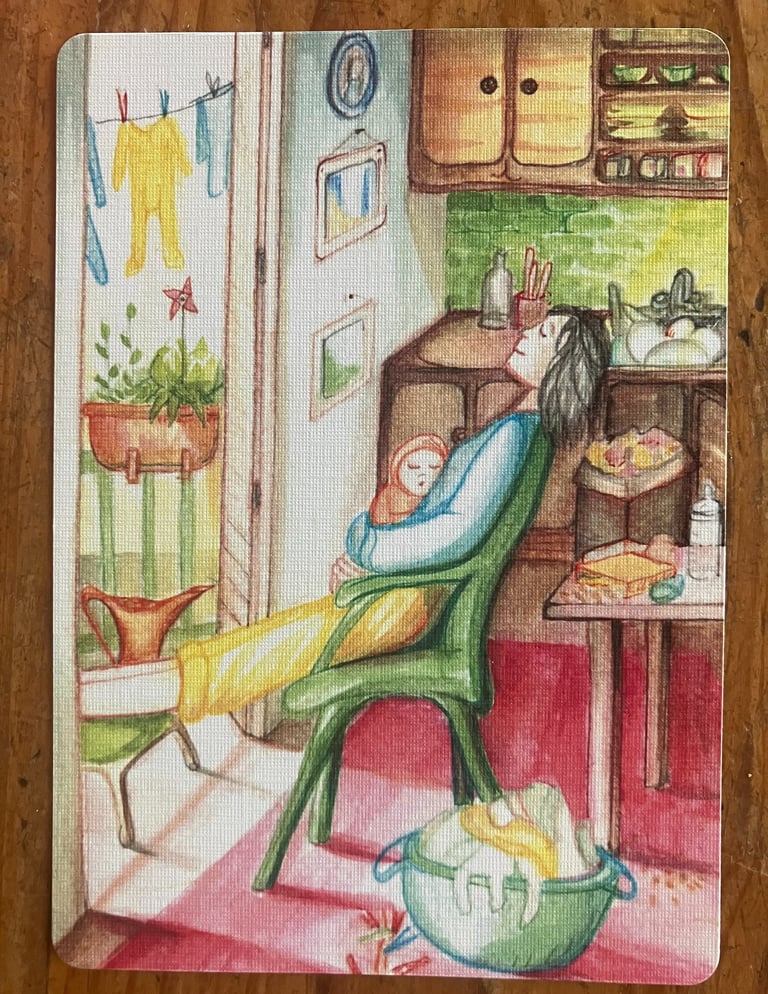
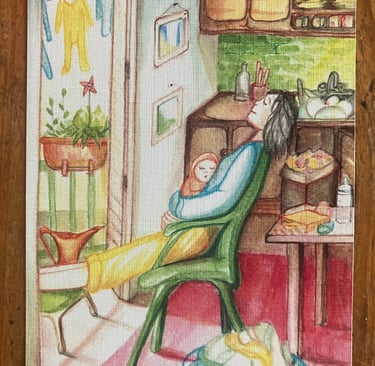
In my experience, it takes great discipline to create moments of non-doing. I’m inspired here by the Mother Nature card ‘It’s good to do nothing’.
I can see the full sink of dishes, the unhung laundry, the full rubbish bin, the mess on the floor. And a mother just sitting with her sleeping baby, feet up, face turned to the sun. She’s found a little stillness amongst it all. It might only be for a few minutes. But it’s still beautiful.
And non-doing is not just about avoiding overwhelm. That’s a good start, but there’s also a whole lot of other wonderful stuff waiting for us when we find, create or wrestle-back time that’s not just about knocking tasks off the checklist. Maybe you’re having trouble even remembering what they are, or how they feel in your body.
≈
One way women can support themselves to find balance is to connect with their menstrual cycle. (If they have one; not all women do, of course, and not at all phases of our lives.) Living with connection to the internal four seasons of our menstrual cycle can help us remember that we can push and strive at times, but that at other times, we need to slow down. And there’s great wisdom and even productivity within the four phases of the cycle. Yes, productivity, when we reframe the different types of productivity we may wish to access through our cycle – practical, creative, connection with others, connection with self and more.
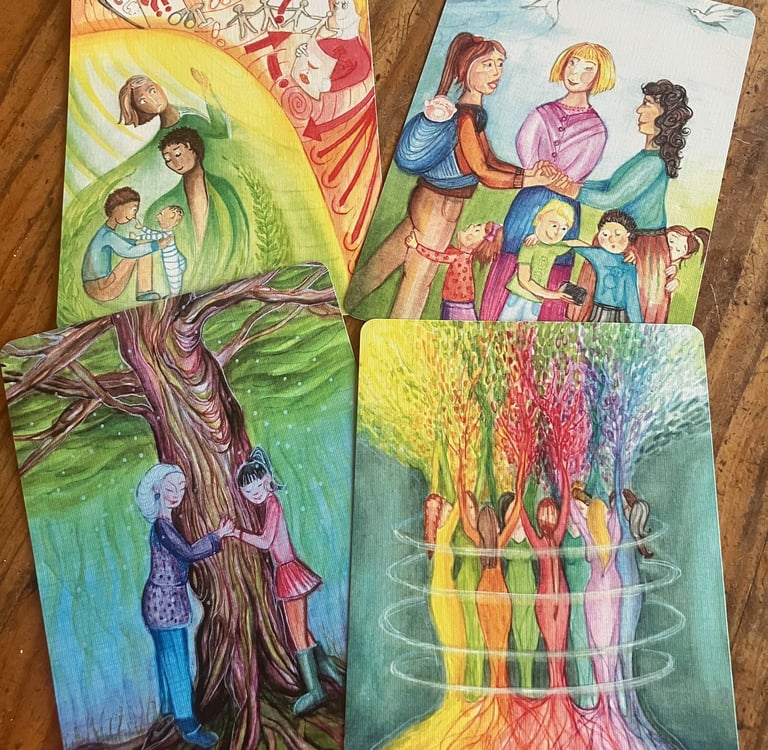
I facilitate women’s circles using Mother Nature cards and the Mother Nature Circle methodology – a simple yet beautiful way to support women to step away from the daily flow of life and access their inner wisdom. In circle, we create a space of intentional non-doing.
My first circle for 2026 is about cyclical living.
You know that joke women make, when they’re protecting their space to chat? “Oh, we’re just talking about our periods!” they say, hoping that’ll scare others away and leave them to their conversation. Well, that’s what we’re going to do. And not just our periods, but all phases of our menstrual cycle. The times for growth and bloom, the times for rest and reflection. It will be an opportunity to share experiences, share resources (there’s some great ones out there, like the Period Queen podcast by Lucy Peach) and tune in to the potentially amazing reality of being a cycling woman. The women’s circle won’t tell you what to do, but help you explore this topic for yourself through the collective wisdom. Different ways for different lives.
≈
The most common comment I received in response to my last blog post ('Pumpkins' in Kambarang) was about compost. People wanting advice with their compost, or help setting one up. This makes me very happy.
In that blog, I described my process for making a large hot composting pile – one that’s larger than a cubic metre, and requires a bit of time of build, and then to turn. As fun and satisfying as this is, it isn’t everyone’s cup of tea. For many people, there’s a better approach to keeping their food scraps, paper waste and more out of landfill – maybe three small compost bins which you rotate through filling and then leave to break down slowly (also known as cold composting), or a worm tower, or an in-ground composting tube. Different ways for different lives.
The best time to make compost, cyclically, is during the last quarter of the moon cycle. This is when the moon is waning, or coming towards a dark moon, or new moon. Aligned with menstrual cycles, this is the time when we approach our monthly bleed, a time for slowing down, reflecting, processing, and gathering energy for the next phase of growing and doing. And there’s nothing quite like building a two-cubic-metre compost pile while PMSing.


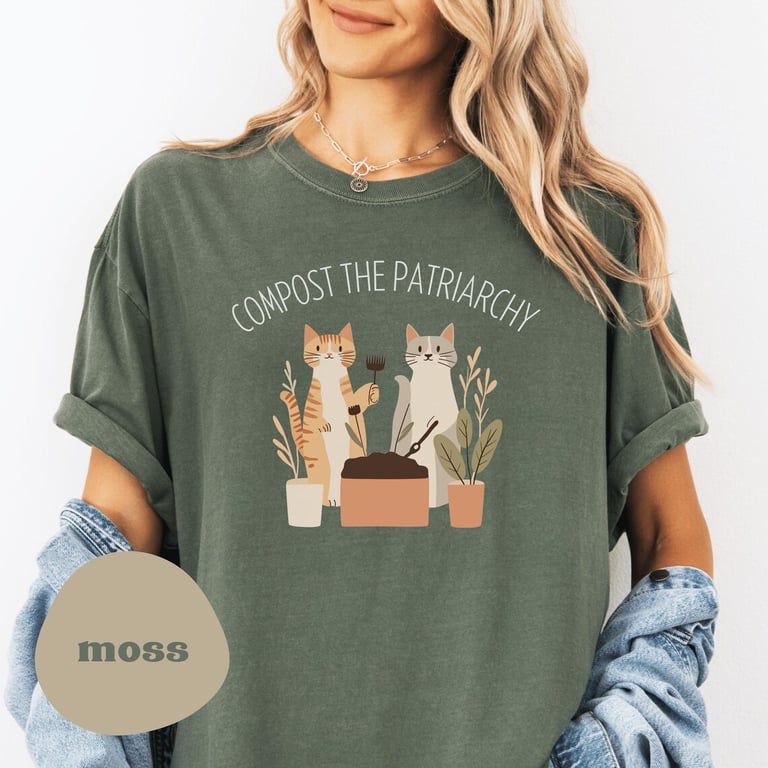
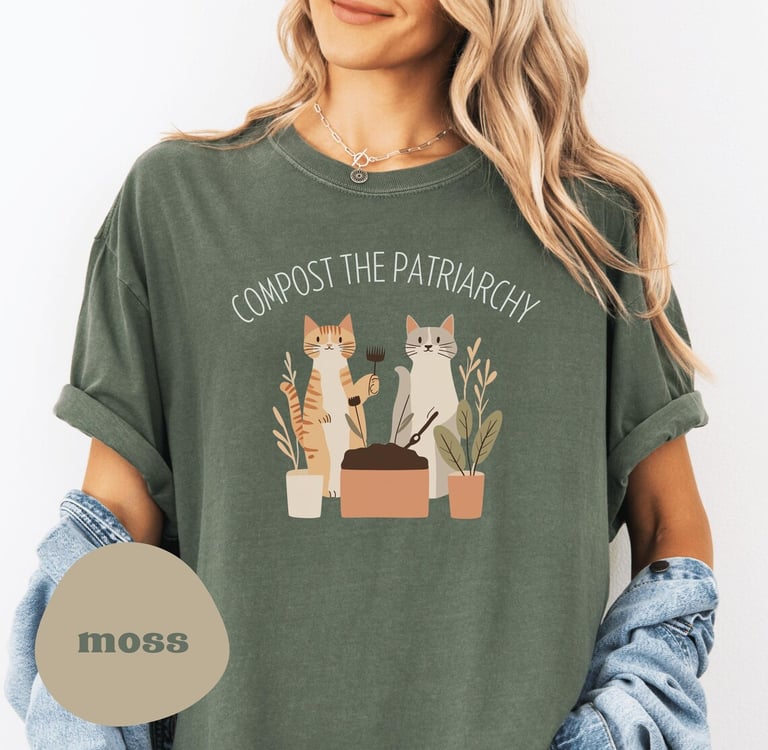
My composting process is now one of my important rituals. There’s a practical element to it, certainly – it’s a great way to tidy up the garden and use many ‘waste’ products from the house and kitchen while making beautiful new soil – but symbolically it reminds me of the need to slough things off, to allow them to end their life as one thing and take the time and space and processing they need to turn into something else.
≈
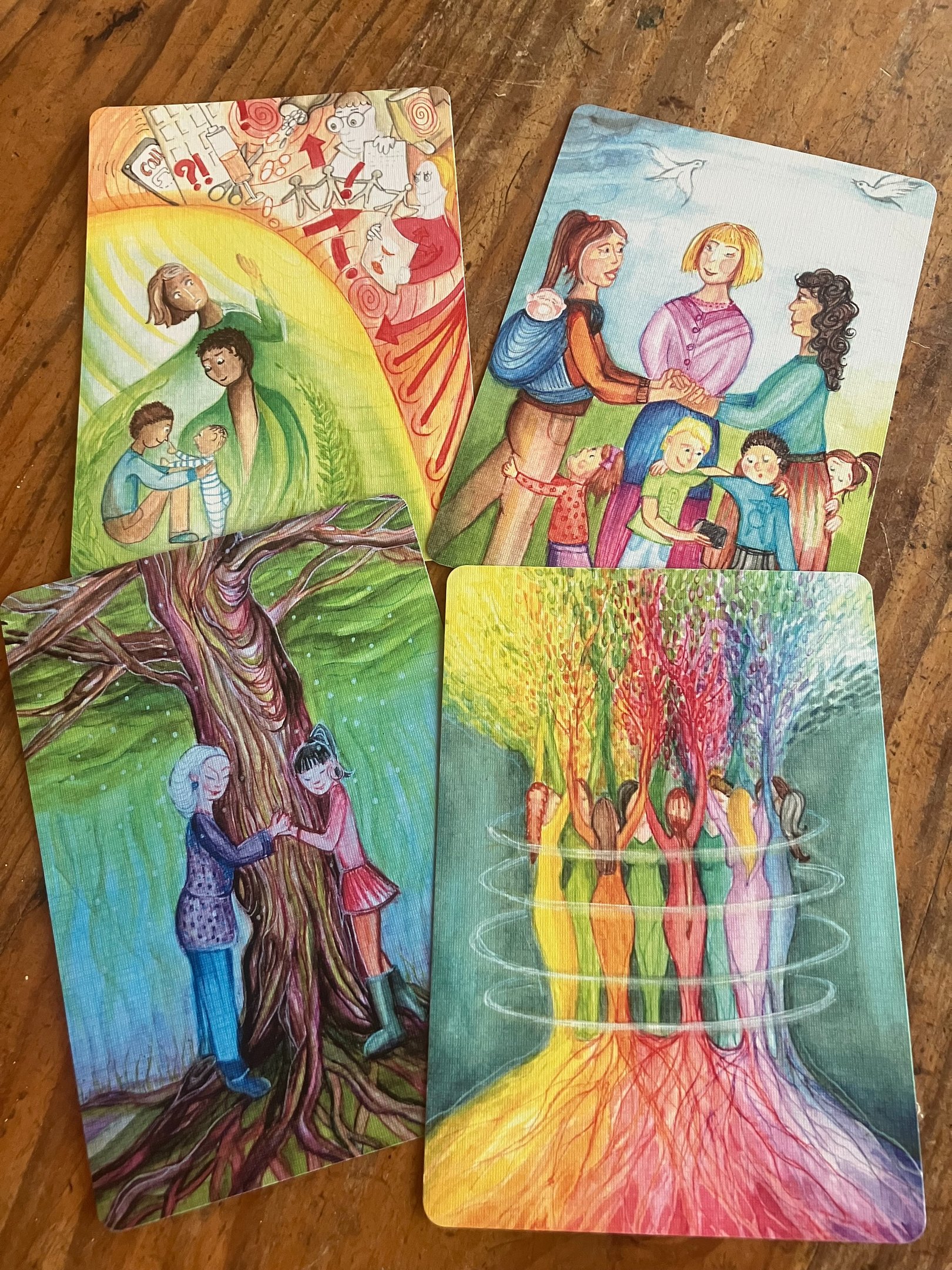
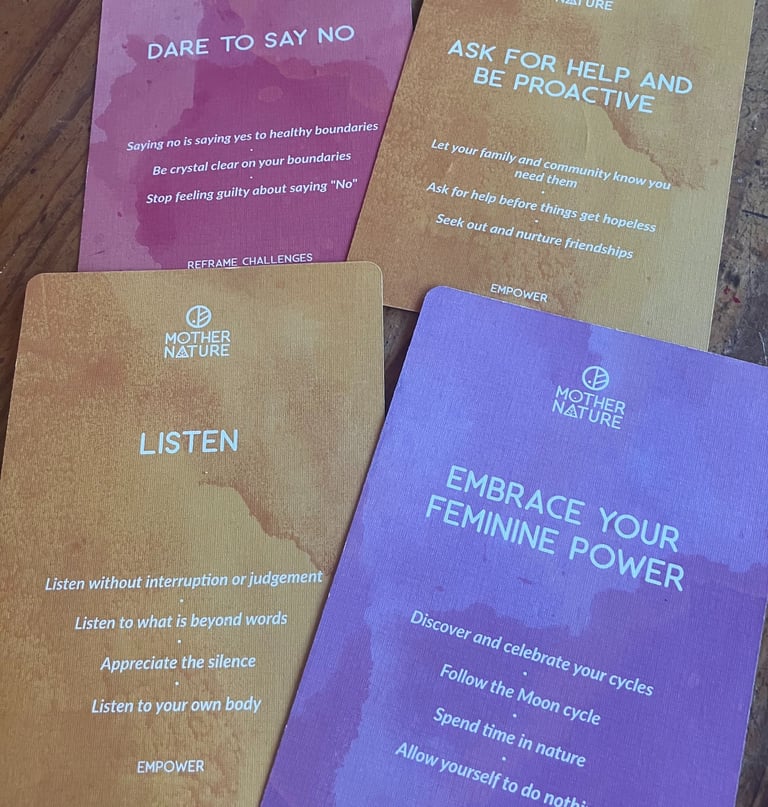
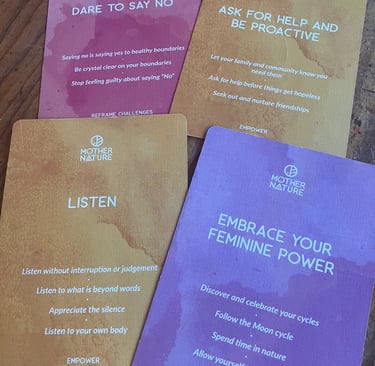
The Mother Nature cards I’ve pulled for this festive and holiday season are:
· Dare to say no – saying no is saying yes to healthy boundaries
· Listen – listen to your own body
· Ask for help and be proactive – ask for help before things get hopeless
· Embrace your feminine power – spend time in nature
If you’re growing veggies this summer, I highly recommend covering pretty much everything with 30% shade cloth. I’ve found a new eco product – a 30% green shade cloth made from 100% natural jute fibres (most shade cloth is plastic). This hessian one won’t drop microplastics into the environment as it breaks down. I rigged some up over my cucumbers and lettuces this morning, and am looking forward to seeing how it compares with traditional 30% shade cloth. Get yourself a bunch of pegs, garden stakes, cable ties (releasable ones, ideally, so you can reuse them), old retic pipe and some kind of ground peg to thread the pipe onto, and rig something up. Put a bit of shade cloth or a big umbrella up for yourself, too. It’ll make gardening this summer much more pleasant, and also create a spot to sit amongst your plants. And do nothing.
Mother Nature Connection
Nurturing you and your garden
Grow
joanna@mothernatureconnection.com.au
© 2026. All rights reserved.